
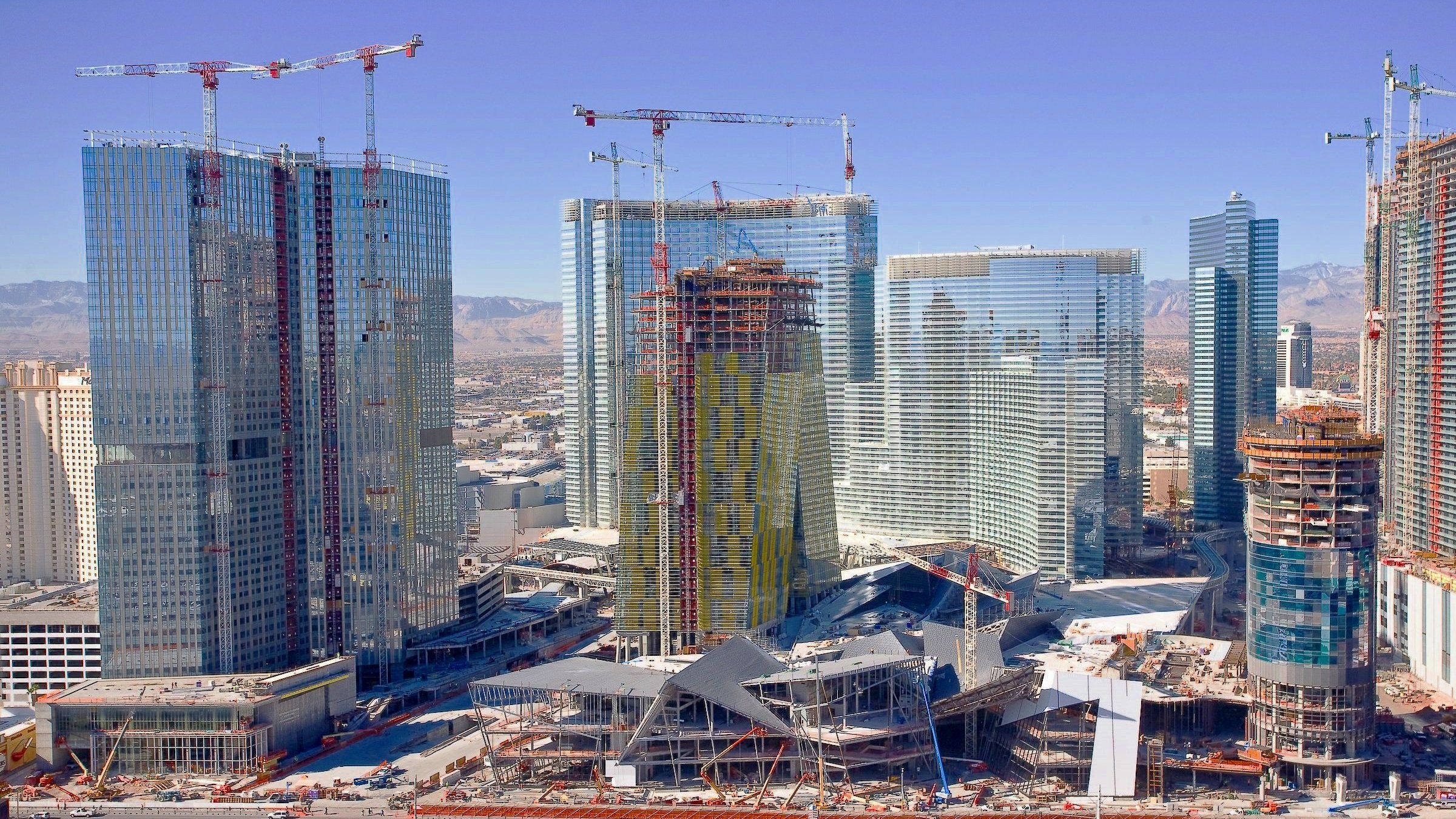
CityCenter Las Vegas, NV

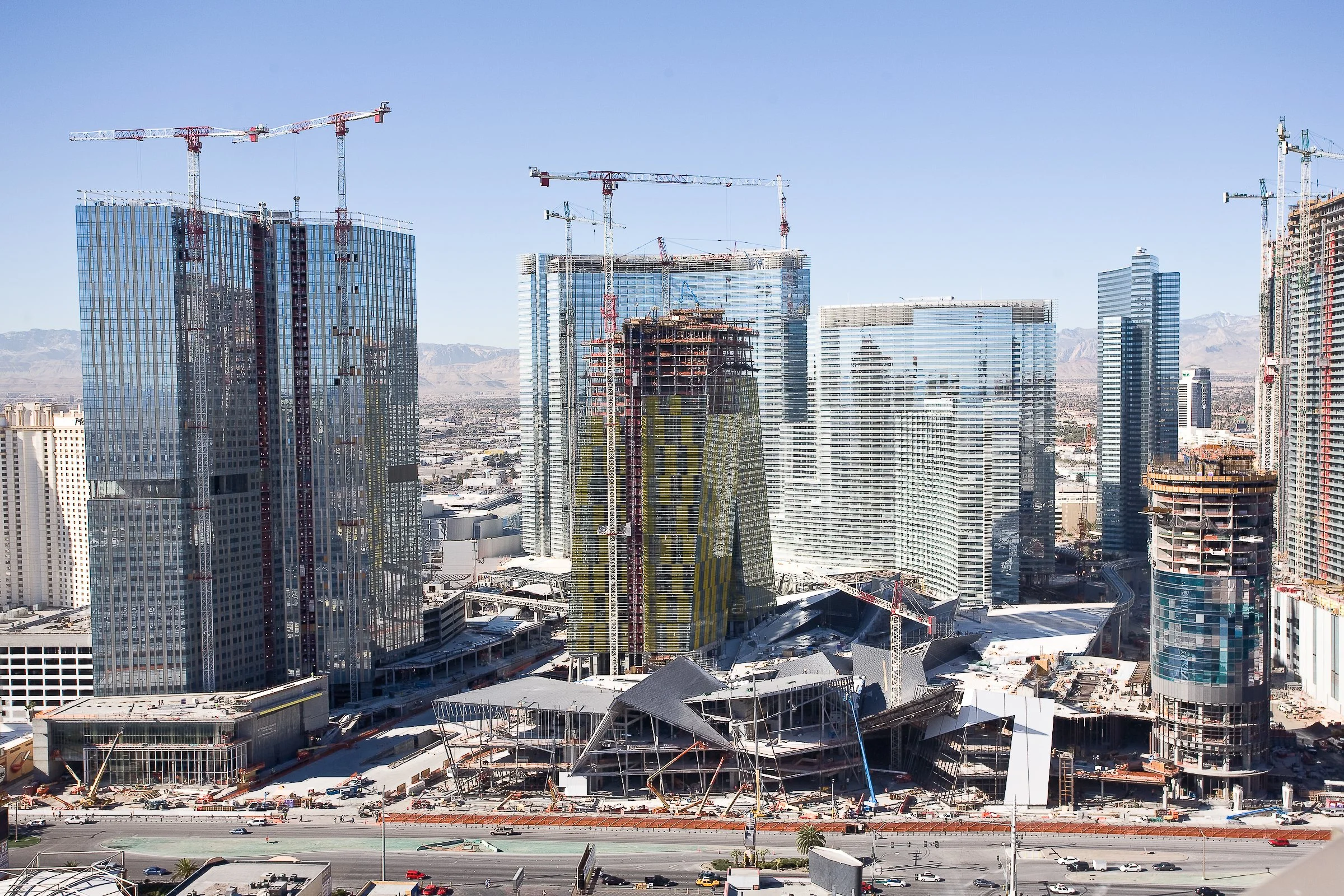
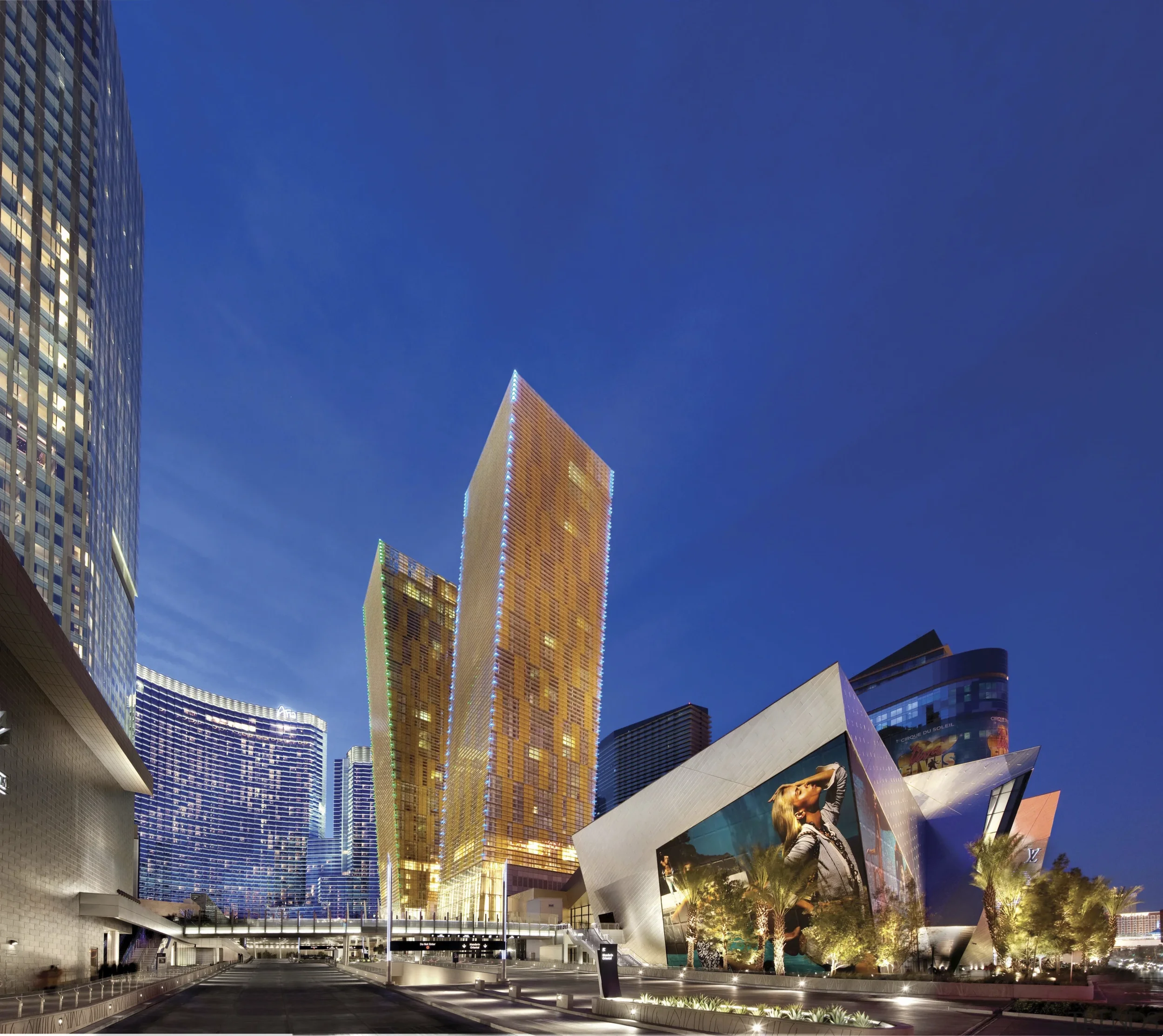
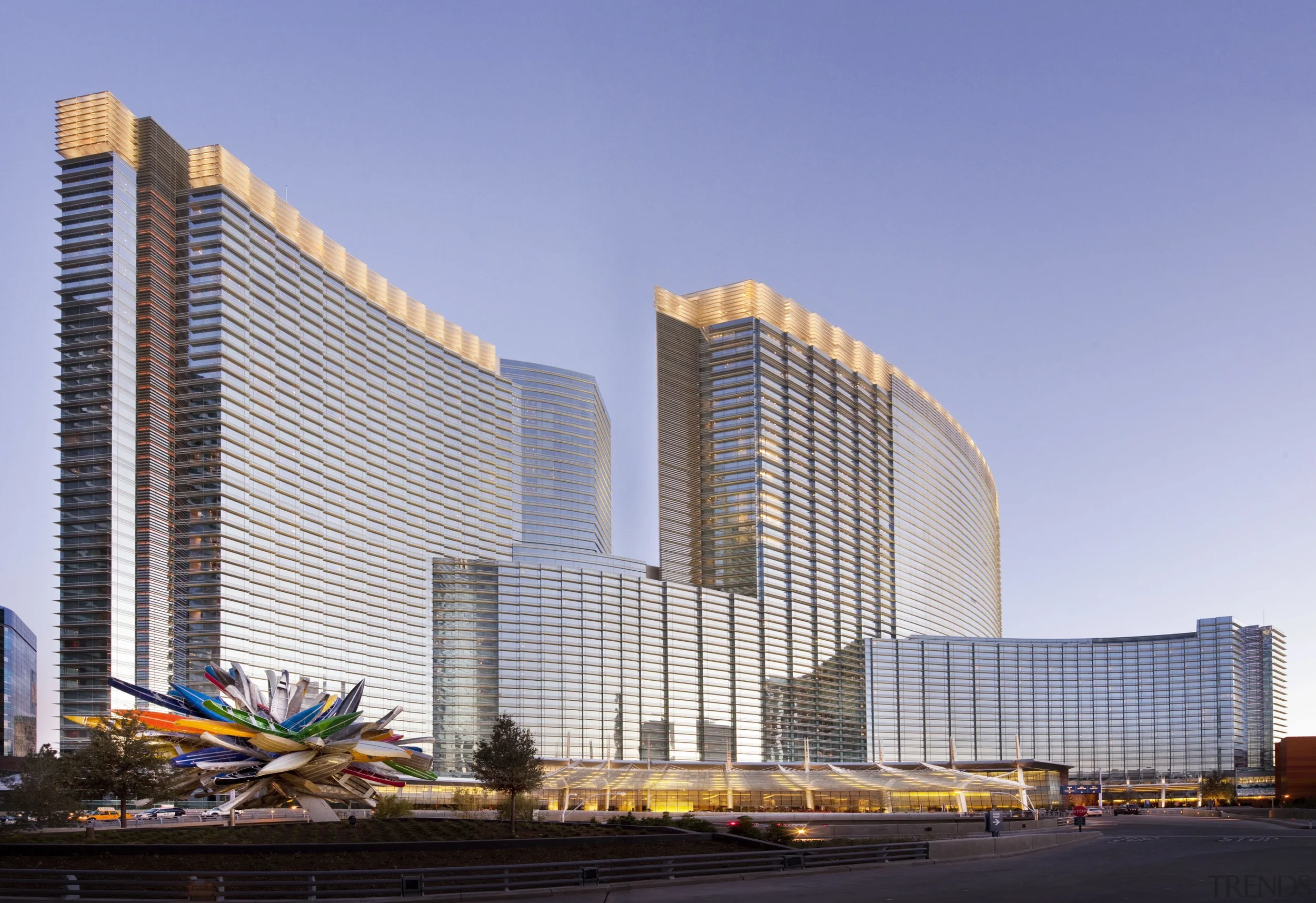
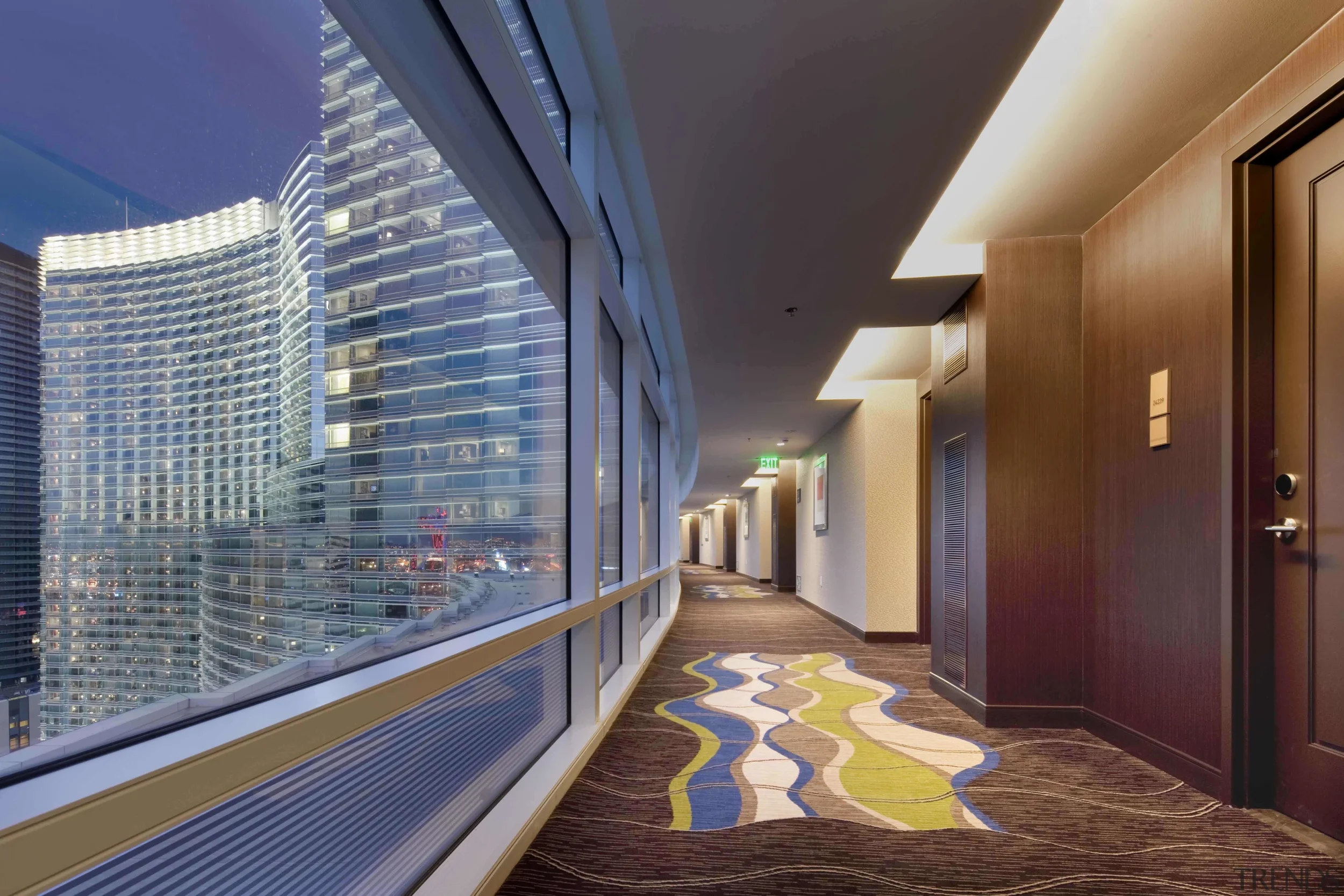
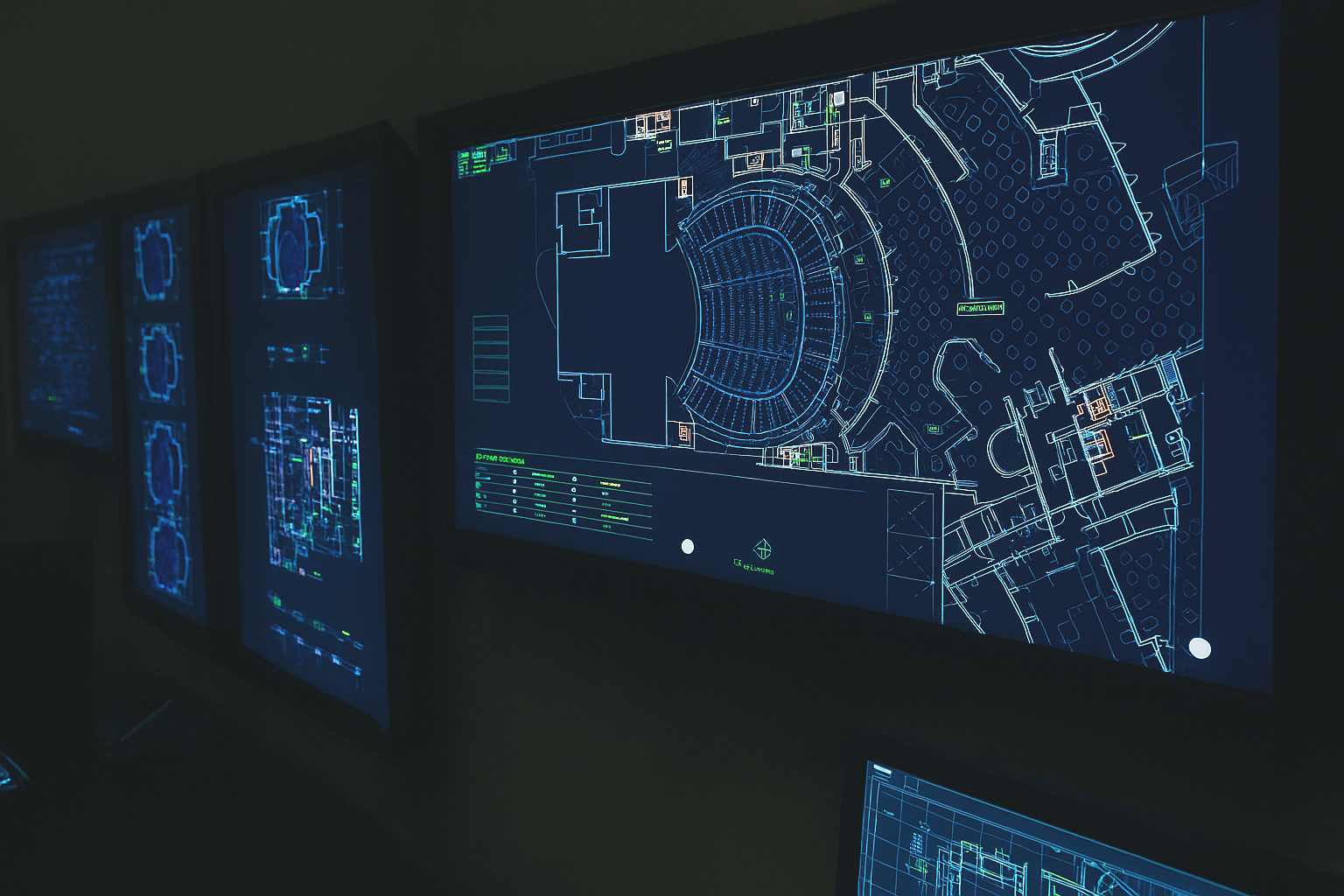
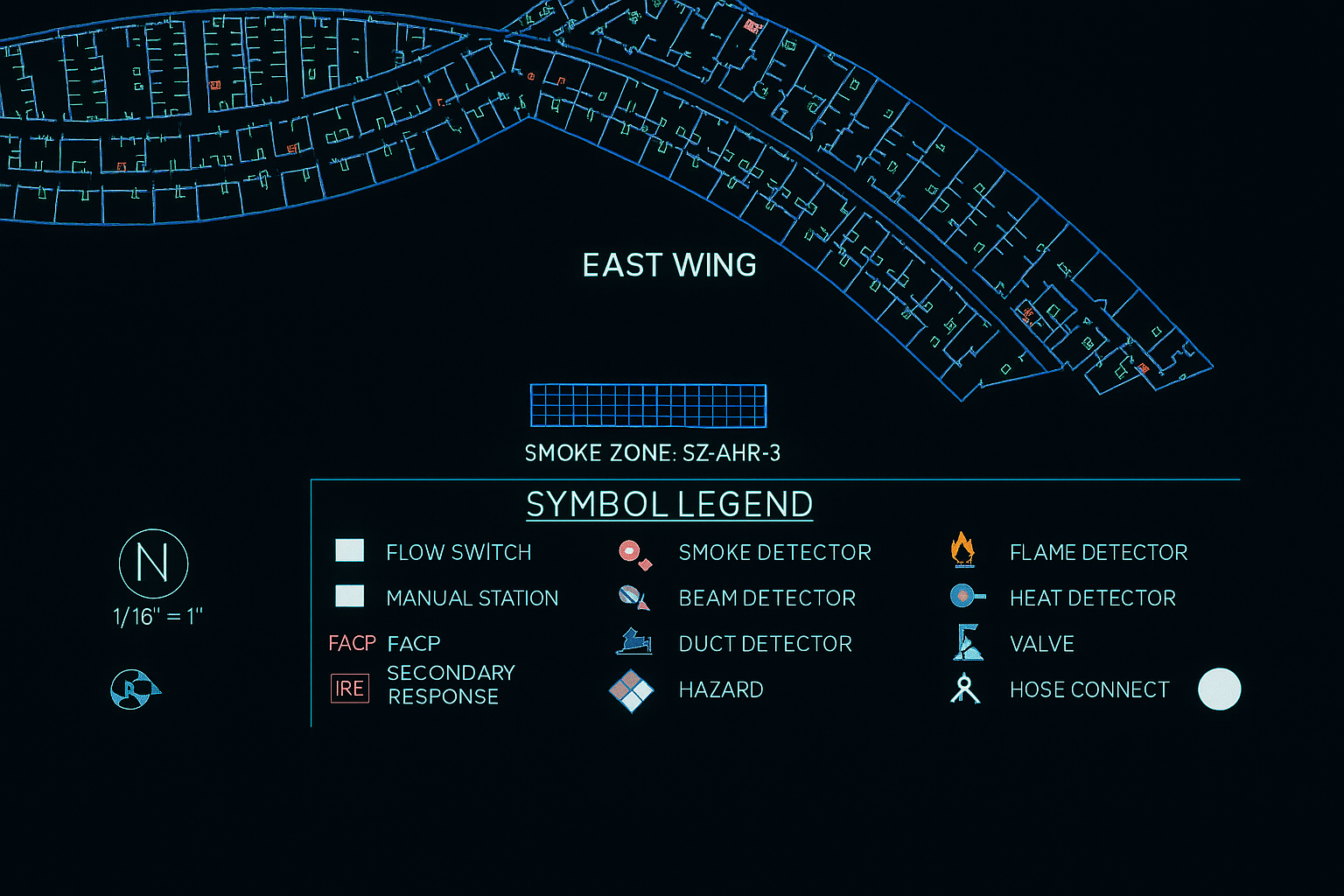
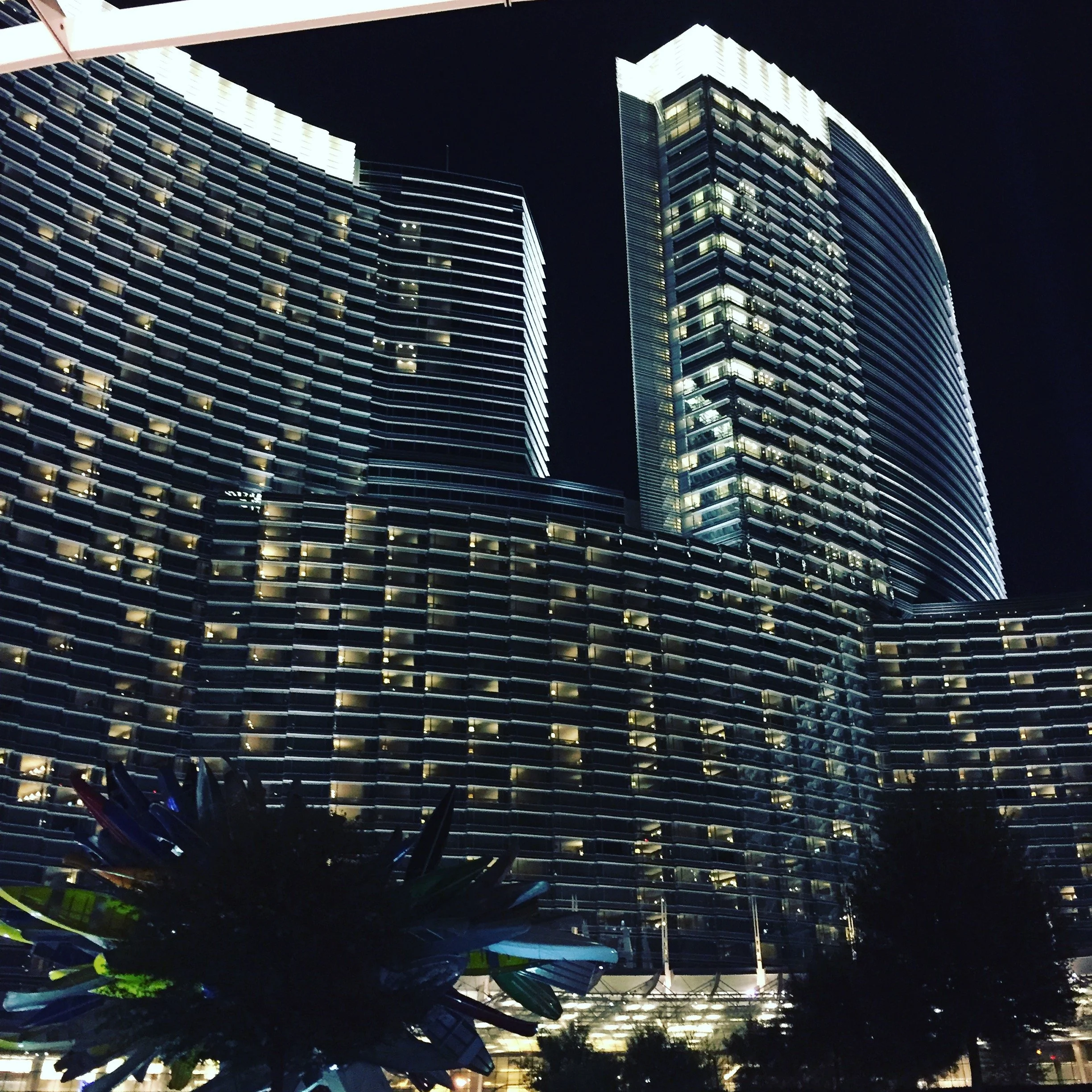
CityCenter Las Vegas represents a landmark in contemporary urban development, combining innovative design with cutting-edge engineering. Covering 67 acres along the iconic Las Vegas Strip, this mixed-use complex brings together multiple components: advanced structural frameworks, sustainable energy-efficient technologies, and LEED-certified green building practices. Central to the project’s design is a comprehensive Fire Protection and Fire Alarm system that adheres to the highest NFPA standards. These systems utilize intelligent detection methods, continuous real-time monitoring, and automated fire suppression to ensure optimal safety. CityCenter exemplifies a harmonious blend of architectural innovation, environmental responsibility, and rigorous safety standards.
Owner: MGM Resorts International
General Contractor: Tutor Perini Building Company
Project Highlights:
Project Cost: $8.5bn
18 Million Square Feet
6 Towers
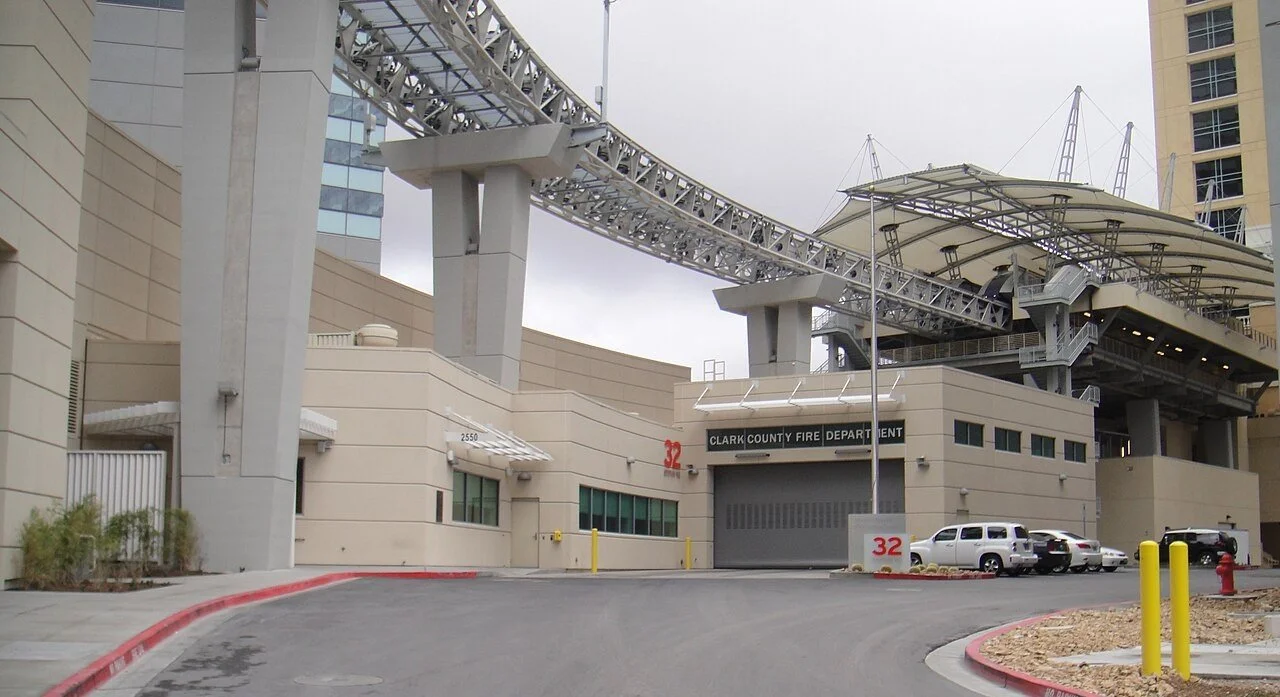
Station 32 - Onsite Fire Station
Centralized Fire Command with second, redundant Fire Command
Diesel Rooftop Fire Pumps
Our Involvement:
MEP Coordination
Integration of Mechanical, Electrical, and Plumbing Systems: Ensure all systems are properly aligned within architectural and structural constraints.
Clash Detection and Resolution: Use BIM or coordination software to identify and resolve conflicts between MEP components and other trades.
Routing and Space Management: Optimize pathways for ducts, pipes, and conduits to maintain accessibility and efficiency.
Compliance with Codes and Standards: Verify that all MEP installations meet local building codes, energy standards, and safety regulations.
Coordination with Structural and Architectural Teams: Maintain continuous communication to avoid design conflicts and ensure seamless integration.
Scheduling and Sequencing: Align MEP installation timelines with overall project milestones to prevent delays.
Fire Life Safety Coordination
Fire Protection System Design Integration: Coordinate sprinklers, alarms, and suppression systems with other building services.
Emergency Egress Planning: Ensure clear pathways and signage for safe evacuation during emergencies.
Code Compliance and Inspections: Validate adherence to NFPA, local fire codes, and life safety standards through regular checks.
Integration with Building Automation: Link fire safety systems to central monitoring for real-time alerts and control.
Testing and Commissioning: Conduct functional tests of alarms, detectors, and suppression systems before occupancy.
Coordination with Authorities Having Jurisdiction (AHJ): Facilitate approvals and inspections to meet regulatory requirements.